Building a physique defined by lean muscle mass requires more than just heavy lifting; it demands a precision-engineered, high-protein muscle-gain diet. While many beginners focus solely on total calories, the quality and timing of your protein intake dictate whether those calories are stored as fat or utilized for muscle protein synthesis (MPS). In 2026, nutritional science has moved beyond simple “bulking” to a more refined approach known as “lean gains,” focusing on metabolic efficiency and sustained nitrogen balance.
A successful muscle-building protocol relies on a consistent supply of essential amino acids, particularly leucine, which acts as the primary trigger for muscle growth. By optimizing your macronutrient ratios, typically aiming for 1.6 to 2.2 grams of protein per kilogram of body weight, you provide your body with the biological building blocks necessary to repair the micro-tears caused by resistance training. This guide breaks down the essential pillars of a high-protein lifestyle to help you outpace the competition.
1. Selecting the Best Bioavailable Protein Sources for Muscle Gain
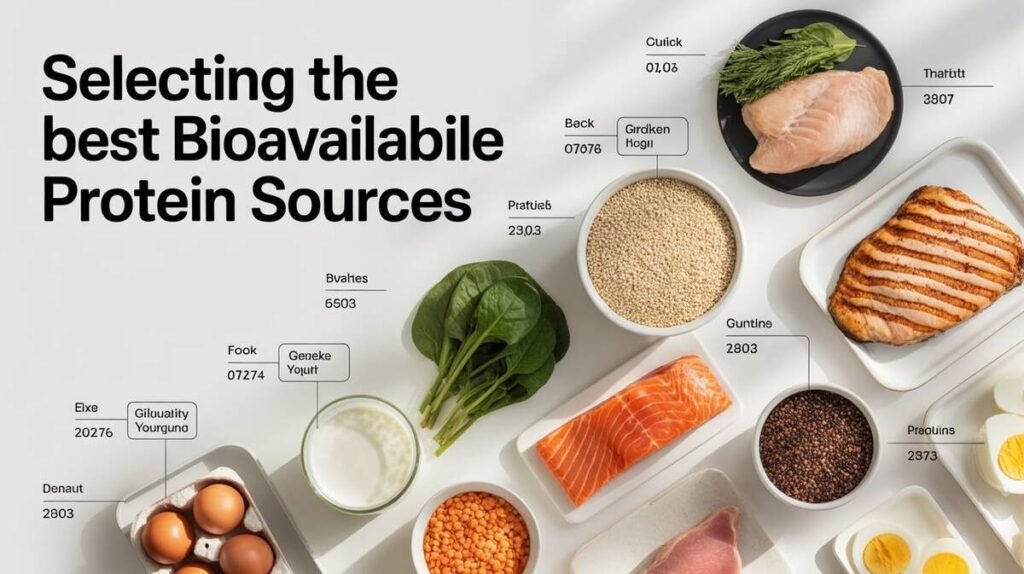
Not all proteins are created equal when it comes to human digestion and muscle hypertrophy. To maximize your results, focus on high-bioavailability sources such as whey isolate, liquid egg whites, and lean poultry, which have high DIAAS (Digestible Indispensable Amino Acid Score) ratings. These “complete” proteins contain all nine essential amino acids that your body cannot produce on its own, ensuring that every gram you consume is working toward muscle repair.
For those following a plant-based or vegetarian path, the strategy involves “protein pairing,” combining sources like lentils with quinoa or brown rice to create a complete amino acid profile. Modern fitness nutrition also highlights the importance of omega-3-rich proteins like salmon and mackerel, which not only provide high-quality protein but also reduce the systemic inflammation that can slow down recovery between intense gym sessions.
2. Strategic Protein Timing and Distribution
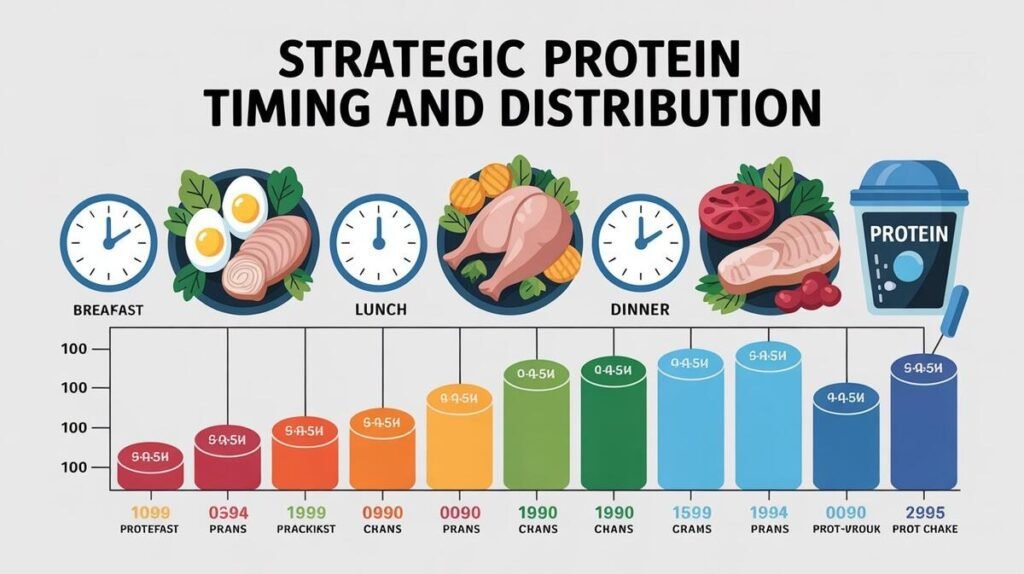
The “anabolic window” is a well-known concept, but the 2026 consensus emphasizes protein distribution over a single post-workout shake. Instead of consuming a massive 100g protein dinner, research shows that spreading your intake into 20g to 40g “pulses” every 3–4 hours keeps your body in a constant anabolic state. This prevents muscle protein breakdown and ensures that your muscles have a steady stream of nutrients throughout the day and evening.
One often-overlooked tactic is the pre-sleep protein feeding, typically using slow-digesting proteins like casein or cottage cheese. Because casein forms a “gel” in the stomach, it releases amino acids slowly over 7–8 hours, preventing the catabolic state that usually occurs during overnight fasting. By mastering this timing, you turn your sleep into a prime recovery phase, effectively doubling your growth potential compared to those who only focus on daytime meals.
3. The Role of Complex Carbs and Healthy Fats to Gain Muscle
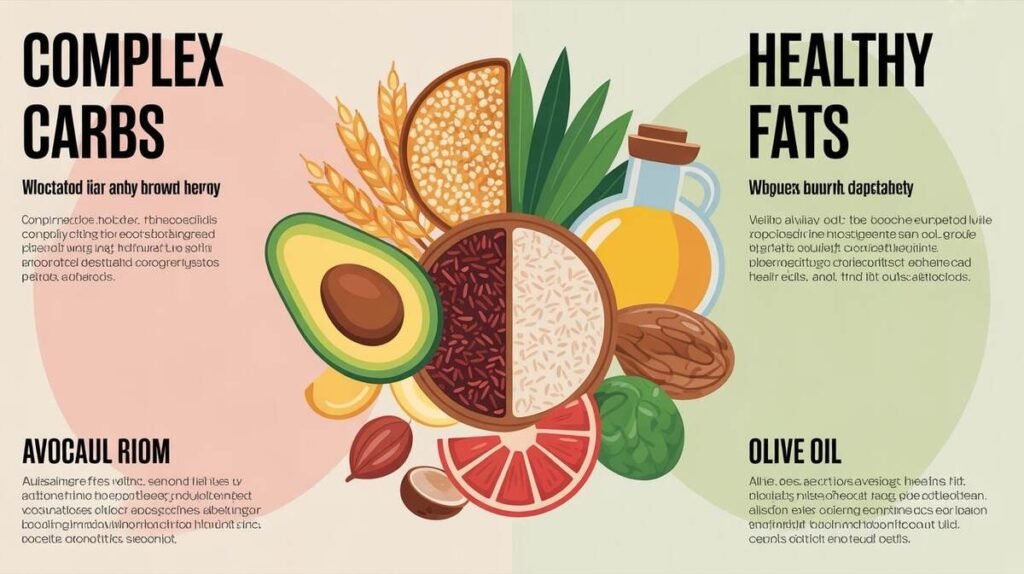
While protein is the architect, carbohydrates are the fuel that powers your construction site. A common mistake in high-protein diets is neglecting “glycogen replenishment,” which leads to flat muscles and poor gym performance. Incorporating low-glycemic carbs like sweet potatoes, oats, and wild rice ensures you have the energy to push through high-volume training sessions while triggering a controlled insulin response that helps shuttle nutrients into the muscle cells.
Healthy fats are equally vital for maintaining the hormonal environment necessary for muscle gain, specifically testosterone production. Sources like avocados, extra virgin olive oil, and walnuts provide the monounsaturated fats that support heart health and joint lubrication. A balanced high-protein diet should roughly follow a 35% protein, 45% carbohydrate, and 20% fat split to ensure that your body remains hormonally primed for hypertrophy.
4. Supplementation for Enhanced Hypertrophy
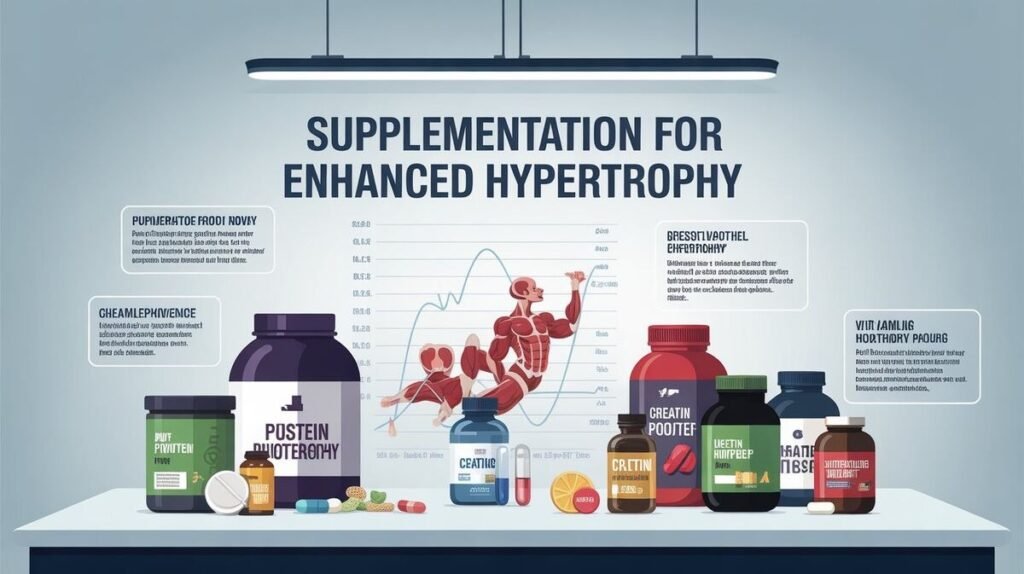
While “whole foods first” is the golden rule, supplements are a mechanical necessity for meeting high protein targets in a busy lifestyle. Creatine Monohydrate remains the most researched and effective supplement for increasing strength and cell hydration, which directly contributes to a fuller muscle appearance. When choosing a protein powder, look for options that are “third-party tested” to ensure they are free from fillers and meet the labeled protein content.
Additionally, BCAAs (Branched-Chain Amino Acids) and EAAs can be beneficial when consumed intra-workout, especially if you are training in a fasted state or performing long-duration sessions. However, these should never replace whole food meals; they are “gap-fillers” designed to ensure you never fall below your daily protein threshold. Precision supplementation, combined with a disciplined diet, is what separates the elite from the average in the fitness world.
5. Tracking Progress and Avoiding Plateaus to gain muscle
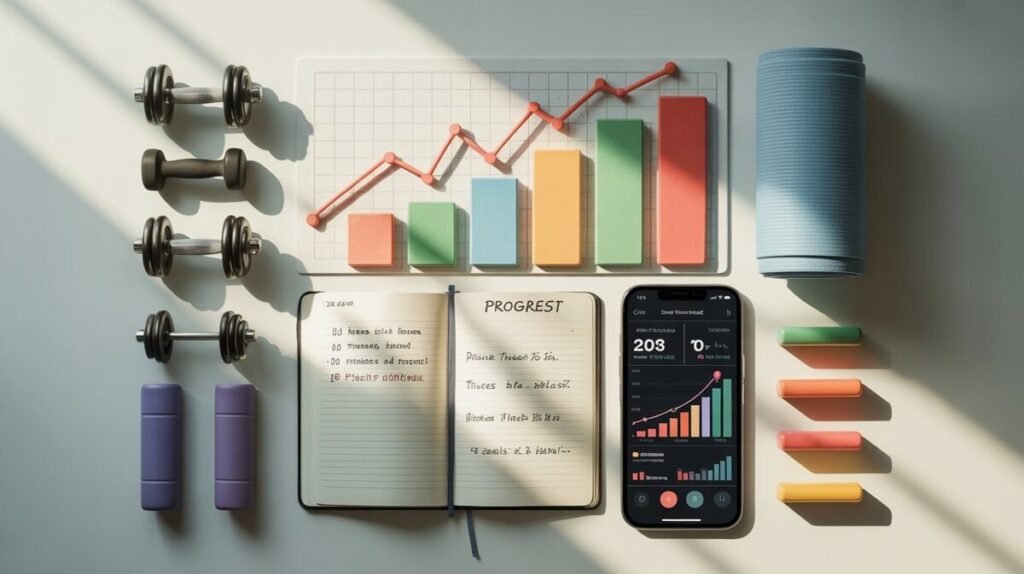
The final pillar of a high-protein muscle gain diet is progressive data tracking. Your body will eventually adapt to your caloric intake, requiring you to implement a “mini-bulk” or a “maintenance phase” to keep your metabolism responsive. Using apps to track your macros ensures that you aren’t accidentally under-eating, which is the #1 reason why most people fail to see significant muscle growth despite “eating clean.”
Listen to your body’s biofeedback energy levels, sleep quality, and muscle soreness are all indicators of whether your current diet is sufficient. If you find yourself constantly fatigued, you may need to slightly increase your carbohydrate intake or adjust your protein-to-fat ratio. Consistency is the ultimate “hack” in bodybuilding; hitting your protein goals 90% of the time is far more effective than being perfect for one week and quitting the next.
Mastering Your Gains
A high-protein muscle gain diet is a long-term commitment to your physical health and performance. By focusing on nutrient density, strategic timing, and consistent tracking, you transform your body into a highly efficient muscle-building machine. Remember that transformation takes time, but with the right nutritional foundation, every workout brings you closer to your ultimate physique goals.
Frequently Asked Questions
1. How much protein do I actually need to gain muscle?
Scientific research suggests a range of 1.6 to 2.2 grams of protein per kilogram of body weight. This ensures enough amino acids are available for repair without causing unnecessary metabolic stress.
2. Can I build muscle on a vegetarian high-protein diet?
Yes, by combining various plant sources like soy, beans, and grains, you can obtain a full amino acid profile. Many athletes successfully use pea or rice protein isolates to reach their daily targets.
3. Is it possible to eat too much protein?
While the body can process high amounts, anything significantly above 2.5g/kg offers diminishing returns for muscle growth. It is better to use those extra calories for carbohydrates to fuel better training performance.