That sudden urge to snack can hit hard when emotions take over. Learning how to stop stress eating starts with understanding why it happens. Stress often pushes you toward comfort foods instead of real hunger. This pattern affects your emotional eating, disrupts healthy habits, and slowly impacts your overall mental well-being.
However, gaining control is easier when you take small, mindful steps. A simple approach to how to stop stress eating includes pausing, recognizing triggers, and choosing better responses. For example, a short walk or deep breathing can calm cravings. These habits improve self-control, support mindful eating, and build a healthier daily routine.
What is Stress Eating and Why Does It Happen
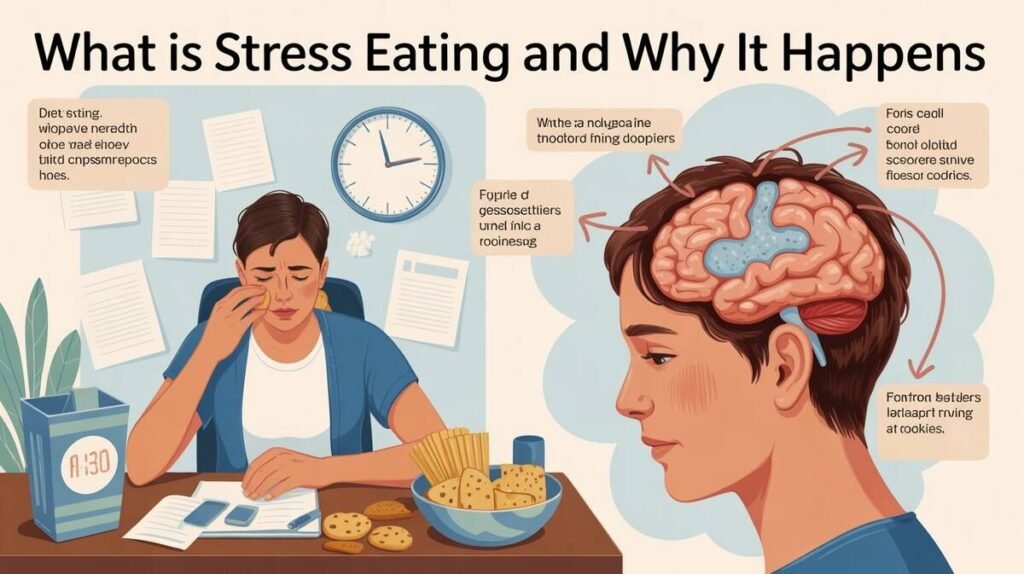
Suddenly, you find yourself reaching for snacks even when you are not hungry. That is how to stop stress eating from becoming an important question in your life. Stress eating happens when emotions take over hunger. It compromises your relationship with food, dismantles your discipline, and takes a heavy toll on your mind.
However, the real issue is not food but your emotional triggers. Your brain looks for comfort. That’s where it becomes a practical solution. For example, long work hours or personal stress can increase food cravings, impact weight management, and create an unhealthy eating pattern.
Key Signs You Are Stress Eating
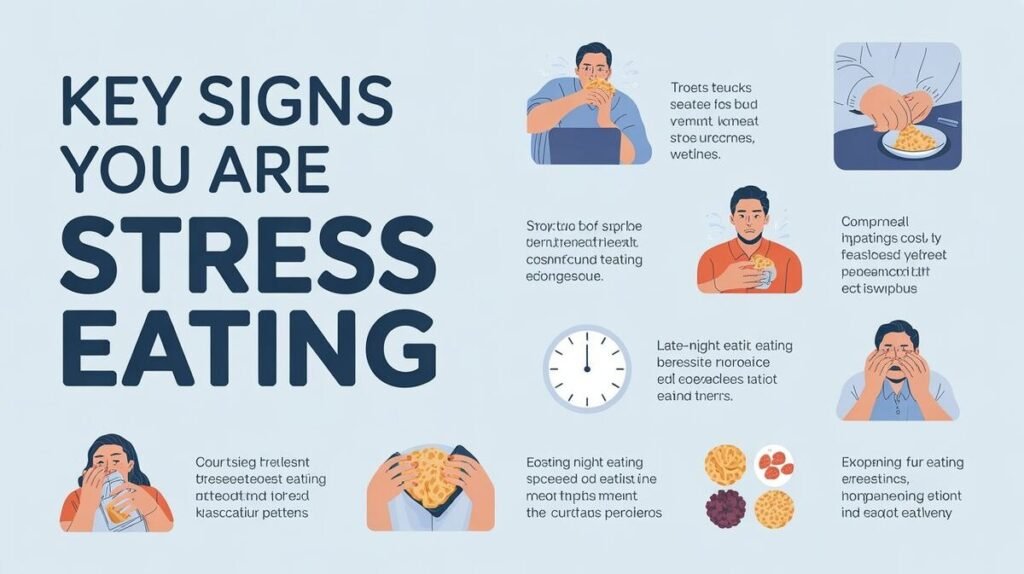
At first, it feels harmless, but the pattern slowly builds over time. You may notice sudden cravings for sweets or junk food without real hunger. Recognizing these signs helps you understand how to stop stress eating. It improves your self-awareness, supports better eating control, and strengthens your daily habits.
That’s where small observations can change everything. For example, eating while watching TV or scrolling through your phone often signals emotional eating. Identifying this helps with behavior change, improves mindful eating, and builds stronger food awareness that leads to better choices.
Mastering Your Appetite: How to Break the Stress-Eating Cycle
Now imagine pausing before you grab that snack and choosing differently. Learning how to stop stress eating starts with simple actions like drinking water or taking a short walk. These steps improve your stress management, support healthy lifestyle choices, and build long-term self-control.
| Action | Benefit |
| Drink water | Reduces false hunger |
| Take a walk | Lowers stress |
| Deep breathing | Calms the mind |
| Eat slowly | Improves control |
Common Mistakes to Avoid When Trying to Stress Eat
It’s easy to think that strict dieting will solve everything, but it often makes things worse. Trying to completely avoid certain foods can increase cravings. Understanding how to stop stress eating means avoiding extreme restrictions. This supports balanced nutrition, improves mental balance, and prevents unhealthy food habits.
However, ignoring your emotions is another major mistake. Stress does not disappear just because you avoid food. For example, unresolved stress leads to repeated eating cycles. Addressing emotions improves emotional control, supports healthy coping, and strengthens your well-being over time.
Best Tips to Stop Stress Eating Naturally
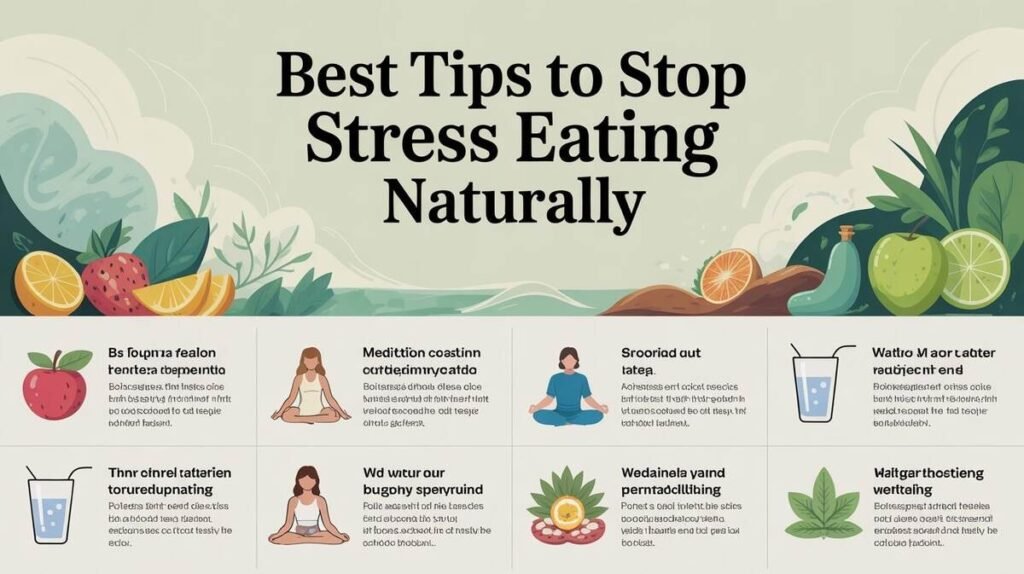
Starting with small changes can feel surprisingly powerful. Learning how to stop begins with creating a simple routine. You can plan meals, keep healthy snacks nearby, and stay active. This improves your diet control, builds healthy routines, and supports long-term weight stability.
That’s where consistency creates real transformation. For example, replacing junk food with fruits can reduce cravings. A steady approach to how to stop stress eating improves your nutrition habits, supports body balance, and helps you stay in control without feeling restricted.
| Tip | Why It Helps |
| Plan meals | Reduces impulsive eating |
| Stay hydrated | Controls cravings |
| Keep healthy snacks | Encourages better choices |
| Manage stress | Prevents emotional eating |
Final Thoughts on How to Stop Stress Eating
In the end, control starts with awareness and small daily actions. Learning how to stop stress eating is not about perfection. It is about progress. It improves your mental clarity, supports healthy living, and builds a stronger mind-body connection.
Most importantly, you can change your habits step by step. A simple approach helps you stay balanced. Over time, your emotional strength, eating control, and overall wellness will improve naturally.
FAQs
What is the typical timeframe for overcoming emotional eating?
It depends on your habits and consistency. Most people start seeing changes within a few weeks. Practicing how to stop stress eating daily helps improve self-control and builds stronger healthy habits over time.
Can stress eating cause weight gain?
Yes, stress eating often leads to consuming extra calories. Learning how to stop stress eating helps manage food intake, supports weight control, and improves overall health balance.
What should I do instead of stress eating?
You can try walking, deep breathing, or talking to someone. These alternatives support relief, improve mental health, and help you learn how to stop stress eating in a natural way.