Overtraining syndrome happens when your body does not get enough time to recover between workouts. Many people think training harder always leads to better results, but too much exercise without proper recovery can actually harm performance and overall health. This condition affects both beginners and experienced athletes.
When the body is pushed beyond its recovery limit, physical and mental fatigue begin to appear. Overtraining symptoms can slowly build over time, making it important to recognize the warning signs early before they become serious.
How Do You Know If Your Body Is Overtrained?
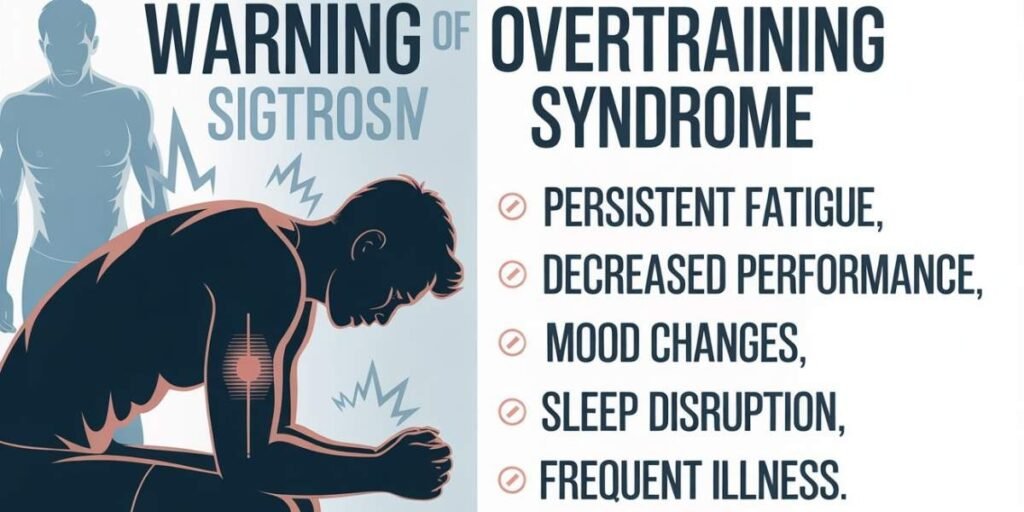
One of the biggest signs of overtraining is constant exhaustion even after resting. If your muscles stay sore for days, workouts feel harder than usual, or your energy levels suddenly drop, your body may be overtrained. Many people also experience poor motivation and slower recovery.
Sleep problems, mood swings, and reduced workout performance are also common indicators. Your body normally adapts and improvesafter exercise, but overtraining interrupts this process and leaves the body under constant stress.
10 Signs of Overtraining You Should Never Ignore
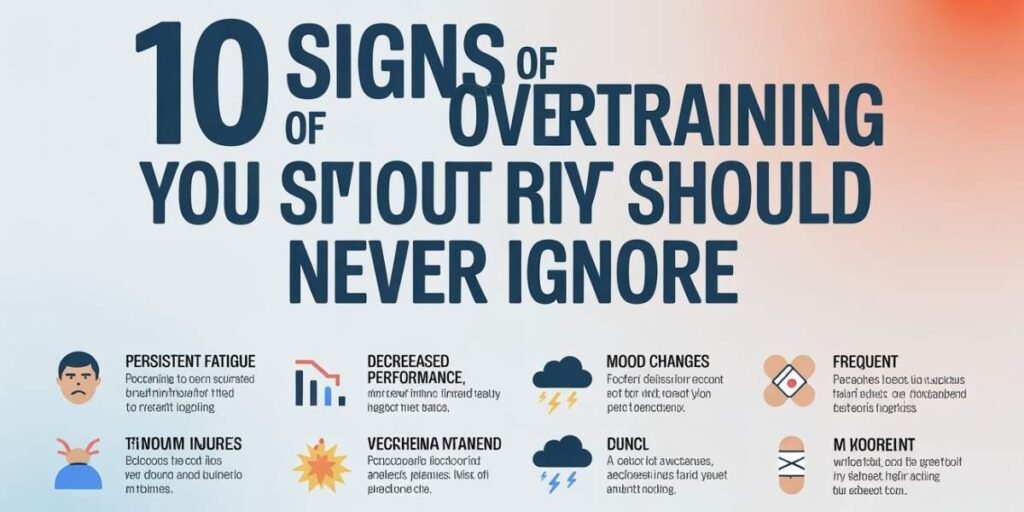
Recognizing the signs of overtraining early can help prevent long-term health issues. Common symptoms include fatigue, muscle soreness, decreased strength, poor sleep, increased injuries, irritability, lack of motivation, elevated heart rate, reduced endurance, and slower recovery.
These warning signs often appear gradually, which is why many athletes ignore them at first. Paying attention to changes in energy, mood, and performance can help you avoid serious overtraining syndrome.
Female Overtraining Symptoms and Hormonal Changes
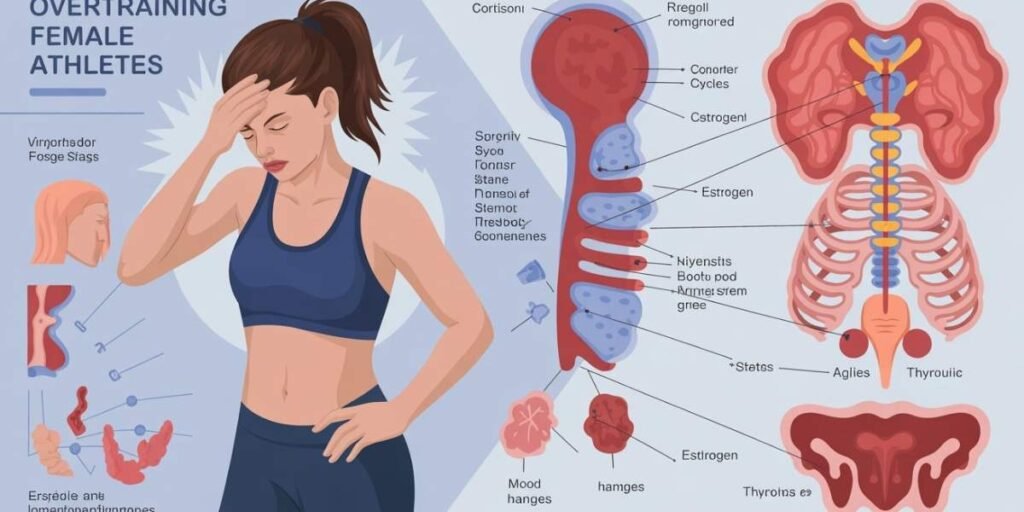
Female overtraining symptoms can sometimes look different due to hormonal changes in the body. Women may experience irregular menstrual cycles, extreme fatigue, mood changes, and reduced exercise performance when training too intensely without recovery.
Hormonal imbalance caused by overtraining can also affect sleep, metabolism, and mental health. This is why recovery, proper nutrition, and balanced workouts are especially important for female athletes and fitness enthusiasts.
Signs of Overtraining in Bodybuilding and Heavy Training
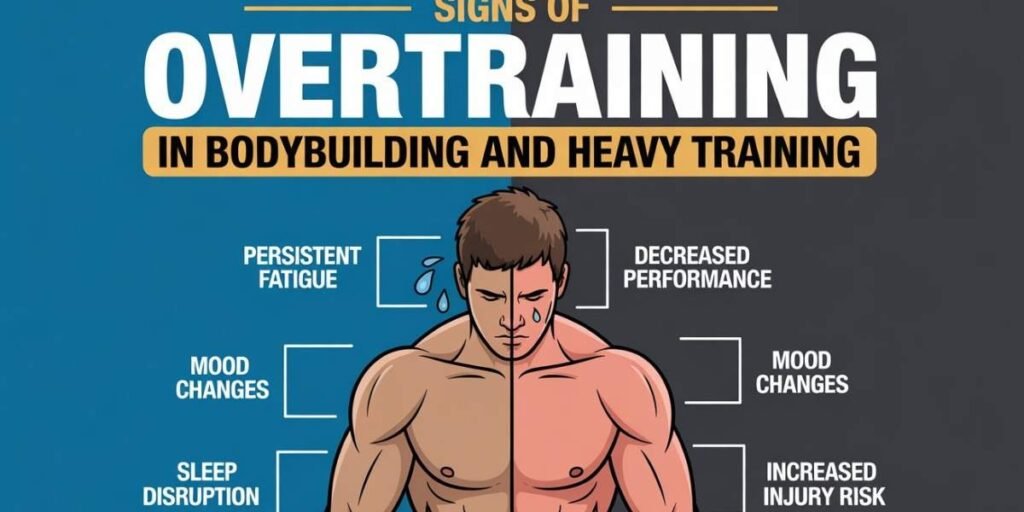
Bodybuilders and strength athletes often face a higher risk of overtraining because of intense workouts and heavy lifting routines. Signs of overtraining in bodybuilding include constant muscle soreness, reduced strength gains, poor pumps during workouts, and low motivation to train.
Many lifters mistakenly push harder when progress slows down, which can make the problem worse. Recovery days are just as important as training days for building muscle and maintaining long-term performance.
What Is Stage 1 Overtraining Syndrome?
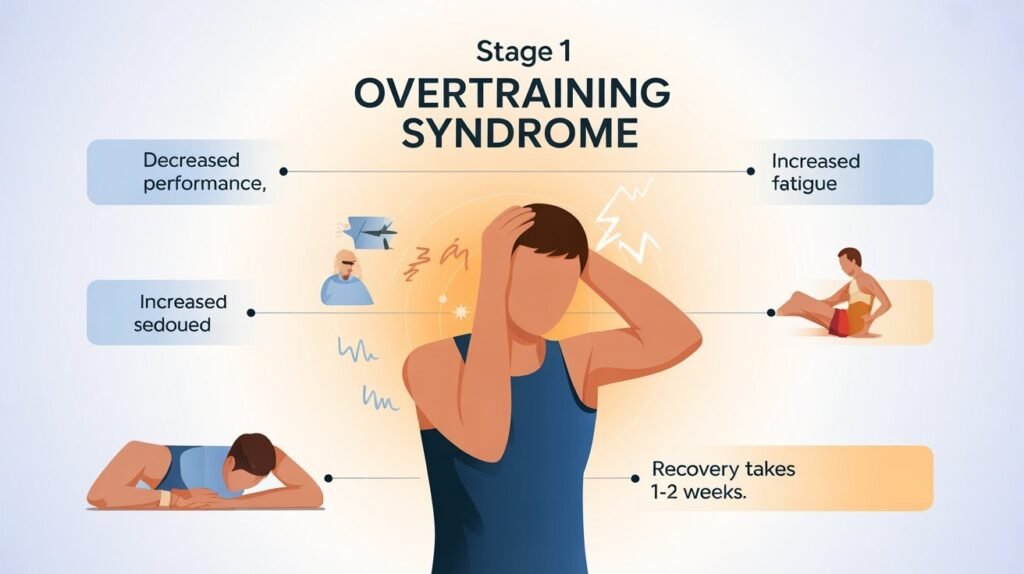
Overtraining Symptoms and Signs: Stage 1 overtraining syndrome is considered the early phase of overtraining. At this stage, symptoms are usually mild and may include tiredness, reduced workout performance, and minor sleep disturbances. Many people overlook these warning signs because they seem temporary.
However, ignoring early symptoms can lead to more severe stages of overtraining. Taking rest days and reducing workout intensity early can help prevent long-term physical and mental burnout.
Overtraining Syndrome Stages Explained: Overtraining Symptoms and Signs
Overtraining syndrome usually develops in stages. The first stage involves fatigue and slower recovery, while later stages can lead to chronic exhaustion, hormonal imbalance, and major performance decline. Recovery also becomes much more difficult in advanced stages.
The longer overtraining continues, the more stress the body experiences. Understanding the stages of overtraining helps athletes recognize symptoms early and take action before serious health issues develop.
What Are the Side Effects of Overtraining?
The side effects of overtraining can affect both physical and mental health. Common effects include weakened immunity, frequent injuries, chronic fatigue, anxiety, poor sleep, and decreased athletic performance. Some people may also experience appetite changes and mood instability.
Overtraining can even increase the risk of long-term stress-related conditions if ignored for too long. This is why balancing exercise with recovery is essential for sustainable fitness progress.
What Is the 3-3-3 Rule at the Gym?
The 3-3-3 rule at the gym is often used as a simple recovery-focused training method. It usually refers to balancing strength training, recovery, and proper rest throughout the week to avoid overtraining and burnout. This approach helps maintain consistent progress while reducing injury risk.
Many trainers recommend structured workout routines with rest periods instead of training intensely every single day. Recovery is necessary because muscles grow and repair during rest, not during workouts.
How to Avoid Overtraining and Recover Properly
Avoiding overtraining starts with listening to your body and allowing enough recovery time between workouts. Rest days, quality sleep, hydration, and proper nutrition all play a major role in preventing overtraining syndrome.
It is also important to vary workout intensity and avoid pushing maximum effort daily. Balanced training plans help improve performance while protecting your physical and mental health over time.
Overtraining Syndrome Treatment and Recovery Tips
The best overtraining syndrome treatment is reducing workout intensity and focusing on recovery. Mild cases may improve with a few days of rest, while severe overtraining may require weeks or even months of recovery.
Stretching, hydration, balanced nutrition, and stress management can also support faster recovery. In serious cases, professional medical advice may be necessary to rule out other health conditions.
Can Overtraining Affect Mental Health?
Overtraining does not only affect the body—it can also impact mental health significantly. Many people experience anxiety, irritability, low motivation, and emotional exhaustion when overtraining for long periods. Mental fatigue is often one of the earliest symptoms.
Exercise should improve overall well-being, not create constant stress. Maintaining balance between training, recovery, and lifestyle is important for both physical and emotional health.
Final Thoughts on Overtraining Symptoms and Signs
Understanding overtraining symptoms and signs is essential for maintaining long-term fitness and health. Training hard is important, but recovery is equally necessary for muscle growth, strength, and overall performance.
By listening to your body, taking proper rest, and following a balanced workout routine, you can avoid overtraining and continue making healthy progress safely. Smart training always delivers better results than excessive training.
FAQs
1. How do you know if your body is overtrained?
Common signs include constant fatigue, poor sleep, muscle soreness, low motivation, and decreased workout performance even after resting.
2. What is the 3-3-3 rule at the gym?
The 3-3-3 rule focuses on balancing training intensity, recovery, and rest days to prevent overtraining and improve long-term performance.
3. What is stage 1 overtraining syndrome?
Stage 1 overtraining syndrome is the early phase where symptoms like tiredness, slower recovery, and mild performance decline begin to appear.
4. What are the side effects of overtraining?
Side effects include fatigue, hormonal imbalance, anxiety, poor sleep, weakened immunity, reduced performance, and increased injury risk.
5. How can you avoid overtraining?
You can avoid overtraining by taking rest days, sleeping properly, eating balanced meals, staying hydrated, and following a structured workout plan.