A lifting belt is more than just a gym accessory. It plays an important role in supporting your core and improving stability during heavy lifts like squats and deadlifts. Increasing intra-abdominal pressure, it helps protect your lower back. This added support allows your body to stay more controlled under heavy load. It also reduces the chances of form breakdown during intense sets.
This support allows you to lift with better control and confidence. When used correctly, the best lifting belt can reduce injury risk and improve overall performance. It becomes especially useful as your training intensity increases over time. Many lifters notice immediate improvements in stability when using a proper belt. This makes it a valuable tool for both safety and progression.
Best Lifting Belts Right Now (Top Picks Based on Performance)
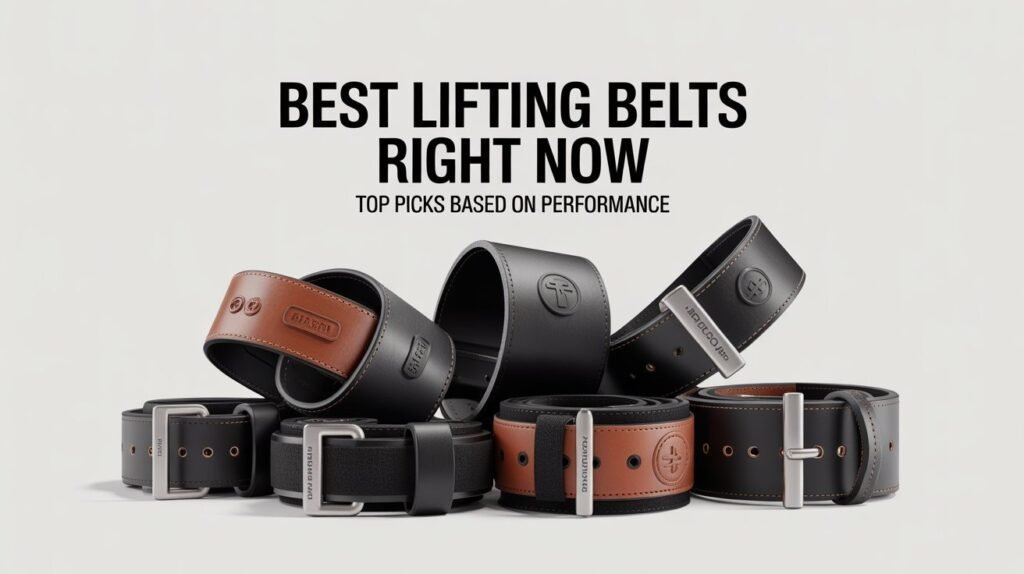
Some lifting belts stand out because of their build quality and consistent performance. The REP USA Premium Leather Lifting Belt is widely considered a top choice due to its durability and strong support for serious lifters. It is designed for long-term use and handles heavy weights with ease. Many athletes prefer it because of its solid construction and reliability.
For CrossFit, the 2POOD Straight Belt is a popular option because it offers flexibility and comfort. Gymreapers Quick-Locking Belt is another strong pick for those looking for a budget-friendly yet reliable option. These belts are easy to adjust and work well in fast-paced workouts. Choosing the right one depends on how you train and what level of support you need.
Also read this article
Best Lifting Belts for Different Training Styles
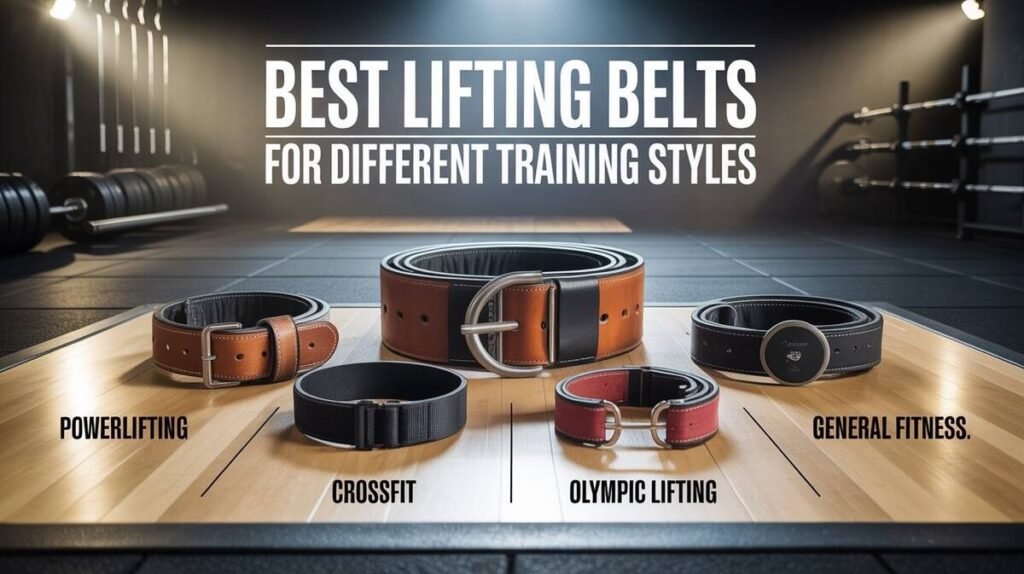
Different types of training require different levels of support. Powerlifters often prefer thick and rigid belts like the SBD Belt, which provide maximum stability during heavy lifts. These belts are built to handle extreme loads and maintain consistent pressure. They are ideal for serious strength training routines.
Olympic lifters, on the other hand, need more flexibility. Belts like the Eleiko Premium Weightlifting Belt allow better movement while still supporting the core effectively. This flexibility helps maintain speed and technique during lifts. It ensures that performance is not restricted by the belt.
Types of Lifting Belts You Should Know
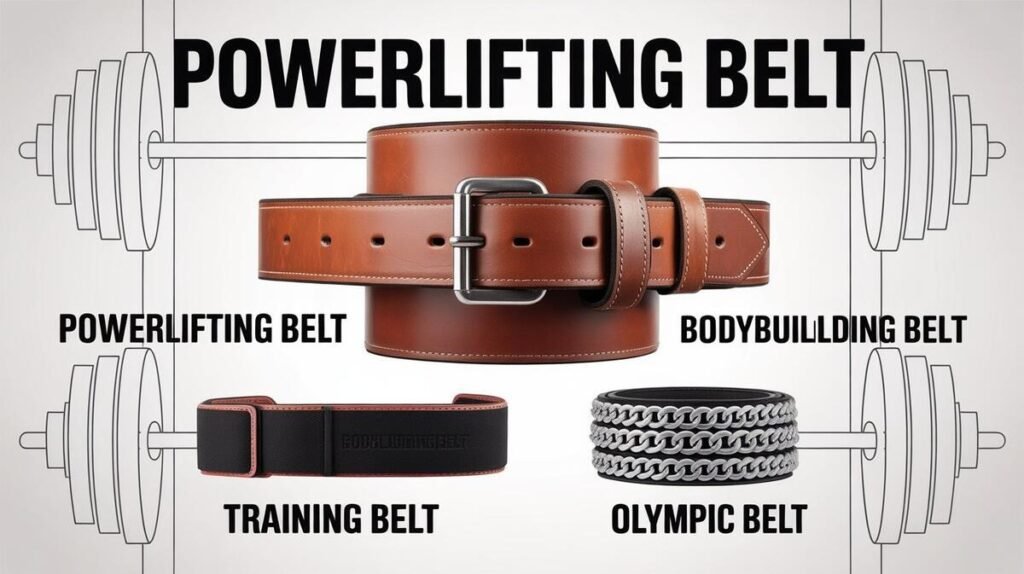
There are three main types of lifting belts commonly used. Velcro belts are flexible and easy to adjust, making them ideal for beginners and general workouts. They provide enough support without feeling too restrictive. This makes them a comfortable starting point for new lifters.
Leather prong belts offer more durability and stronger support. Lever belts are designed for advanced lifters who need consistent tightness and maximum stability during heavy lifting. These belts are built for performance and long-term use. Choosing the right type depends on your experience and lifting goals.
Leather vs Nylon Lifting Belts (Which One to Choose)
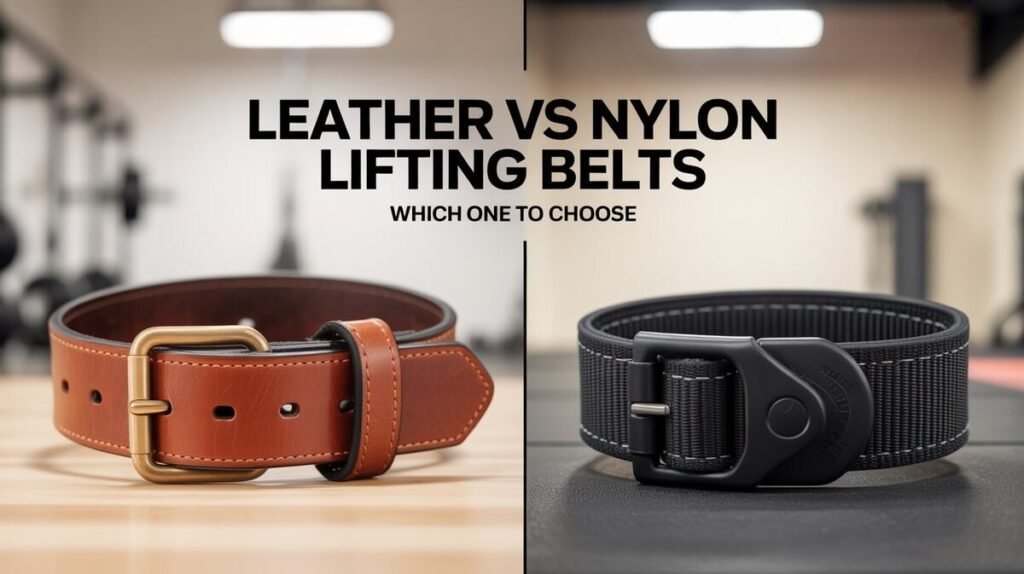
Leather lifting belts are known for their strength and durability. They provide firm support and are best suited for heavy lifting and long-term training goals. These belts hold their shape well and offer consistent pressure. This makes them ideal for serious lifters.
Nylon belts are lighter and more comfortable to wear. They are a good choice for beginners or for workouts that involve more movement, such as CrossFit sessions. Their flexibility allows better mobility during exercises. This makes them a practical option for varied training styles.
Best Lifting Belt for Beginners vs Advanced Lifters
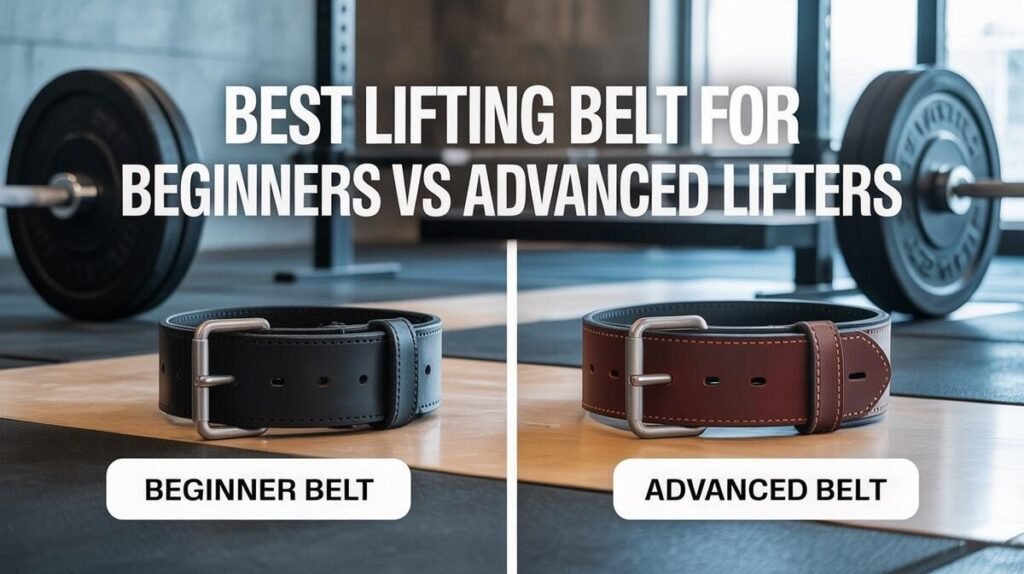
Beginners should start with a flexible and easy-to-use option. A 4-inch velcro belt is often recommended because it provides enough support without feeling too restrictive. It helps build confidence while learning proper lifting techniques. This makes it a smart starting choice.
Advanced lifters usually prefer leather belts for added strength and stability. Options like single-prong or lever belts are ideal for handling heavier weights safely. These belts provide maximum support during intense lifts. They are designed for serious training and long-term progress.
Key Features That Define the Best Lifting Belt
A high-quality lifting belt should have strong materials and a reliable locking system. Features like lever buckles or quick-lock mechanisms improve both safety and ease of use. These systems ensure the belt stays secure during heavy lifts. This helps maintain stability throughout the workout.
Comfort is just as important as durability. A well-designed belt should fit properly without causing discomfort, allowing you to focus fully on your workout. Padding and smooth edges can improve the experience. This makes long training sessions more comfortable and effective.
Find the Correct Lifting Belt Size for Your Body
Choosing the correct size is essential for getting the full benefit of a lifting belt. The belt should fit snugly around your waist while still allowing proper breathing It also prevents unnecessary discomfort.
It is important to check the sizing guide before buying. A good fit ensures better core support and helps maintain proper form during heavy lifts. Trying different sizes can help find the perfect fit. This improves both safety and performance.
Wrong Ways to Use a Lifting Belt You Must Know
One common mistake is relying on the belt too early in training. This can prevent your core muscles from developing naturally over time. It is important to build strength first before depending on support. This creates a stronger foundation.
Another issue is improper use, such as wearing the belt too loose or too tight. Correct positioning and fit are important for getting the best results. Learning proper technique is key. This ensures the belt works as intended.
Final Thoughts: Finding the Best Lifting Belt for Your Needs
The best lifting belt depends on your training style, experience level, and personal preference. There is no single option that works for everyone. Understanding your needs helps you make a better choice. This leads to better results over time.
Focus on quality, comfort, and purpose when making your choice. A well-selected belt can improve both safety and performance in your workouts. Investing in the right belt is always worth it. It supports long-term progress and consistency.
FAQs
What is the best lifting belt for beginners?
A velcro or nylon belt is ideal for beginners because it offers flexibility and comfort while still providing basic support. It is easy to adjust and suitable for learning proper lifting techniques.
Are leather lifting belts better than nylon?
Leather belts are stronger and better for heavy lifting, while nylon belts are more flexible and suitable for lighter workouts. The choice depends on your training intensity and goals.
Do lifting belts actually help performance
Yes, lifting belts improve core stability and allow you to lift heavier weights with better form and control. They also help reduce strain on the lower back during heavy lifts.