Starting a workout routine can feel confusing when you do not know where to begin. Many beginners struggle with choosing exercises, staying motivated, and building a realistic fitness plan. A simple and consistent routine is often the best way to build strength, improve energy, and create healthy habits that last.
A proper beginner workout plan focuses on balance, progress, and recovery instead of pushing too hard too quickly. Whether you want to lose weight, gain muscle, improve stamina, or simply feel healthier, starting with the right approach makes a huge difference. This beginner’s guide to working out will help you understand how to exercise safely, stay motivated, and build confidence step by step.
Why Working Out Is Important for Beginners
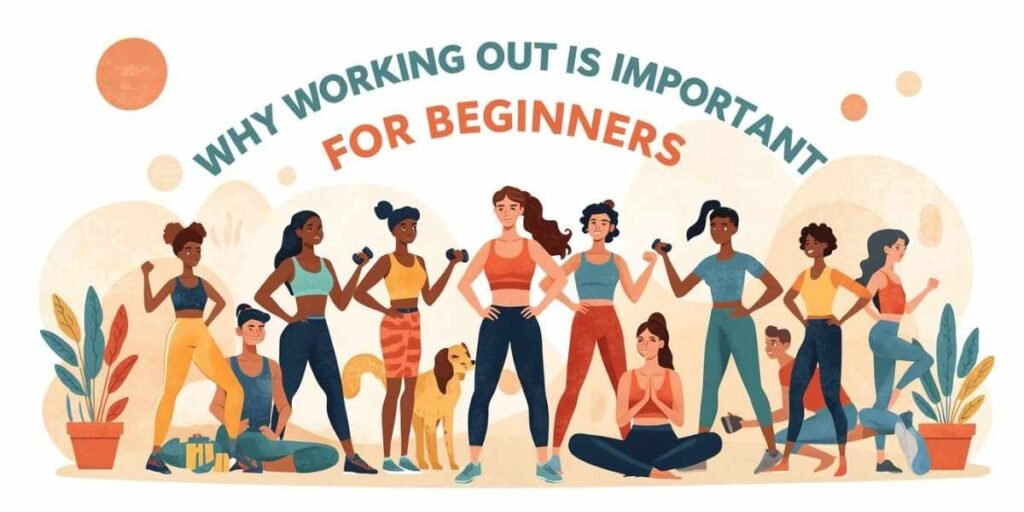
Exercise improves much more than physical appearance. Regular workouts help increaseenergy levels, improve heart health, reduce stress, andstrengthen muscles over time. Even short daily workouts can improve mood and help your body feel more active throughout the day. Fitness is not about perfection it is about building healthy habits consistently.
For beginners, exercise also helps create discipline and mental confidence. Many people notice better sleep, reduced anxiety, and improved focus after starting a workout routine. Small progress each week builds motivation naturally and makes fitness feel less overwhelming. The key is starting simple and staying patient with the process.
How to Start Working Out as a Beginner
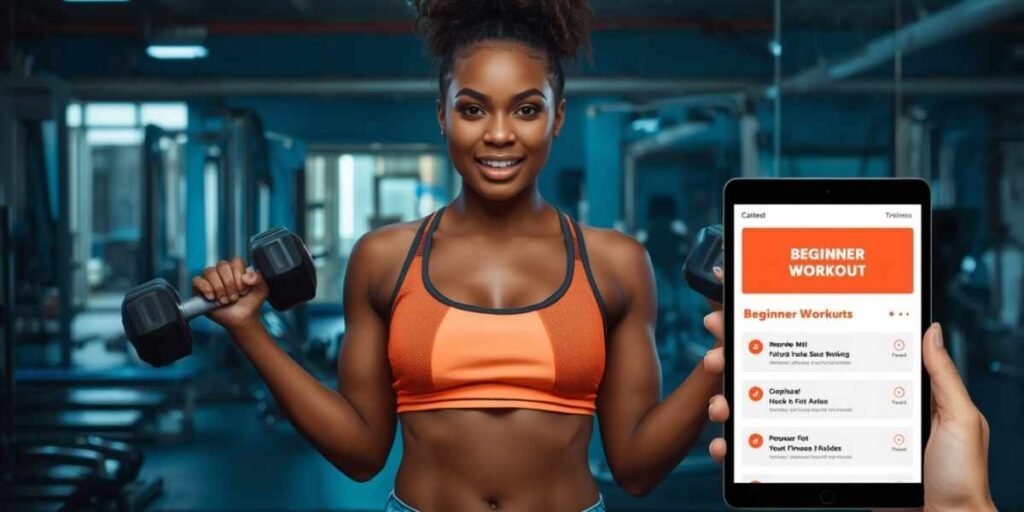
One of the biggest mistakes beginners make is trying to do too much too soon. Starting with basic exercises and shorter workouts helps your body adapt safely without unnecessary soreness or burnout. A beginner-friendly routine should include simple strength training, light cardio, and stretching exercises.
Creating a realistic workout schedule also helps you stay committed long term. Start with three to four workout sessions each week instead of exercising every single day. Giving your body proper recovery time improves muscle growth and reduces injury risk. Building healthy habits slowly creates stronger long-term results.
Best Beginner Guide to Working Routine for Full Body Fitness
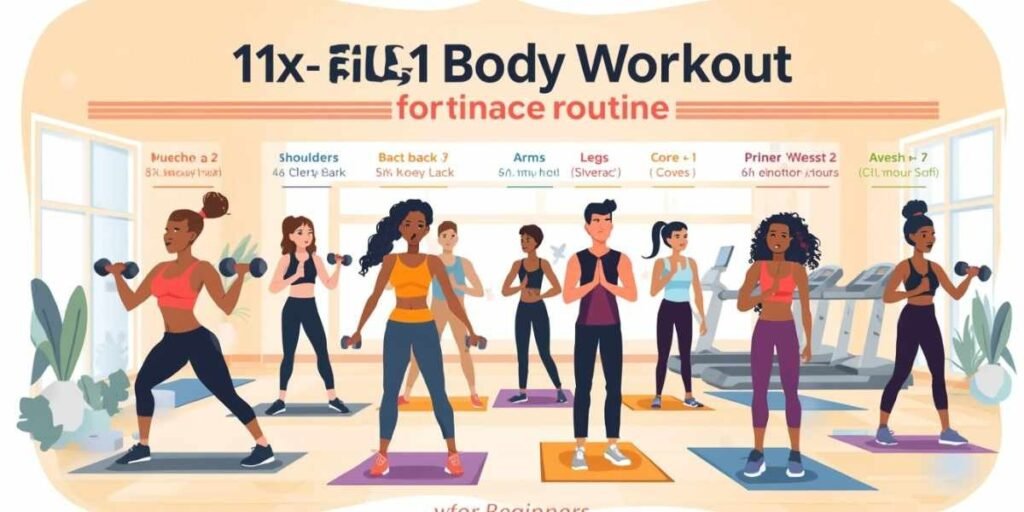
A full body workout routine is one of the best choices for beginners because it trains multiple muscle groups together. Exercises like squats, push-ups, lunges, planks, and dumbbell presses improve overall strength and coordination. Full body workouts also burn more calories and help develop balanced muscle growth. Simple compound movements are highly effective for beginners.
You do not need advanced gym machines to start exercising properly. Adding light dumbbells or resistance bands later can help increase strength gradually. Focus on learning proper form first before increasing workout intensity or weight.
Beginner Gym Tips for Building Confidence
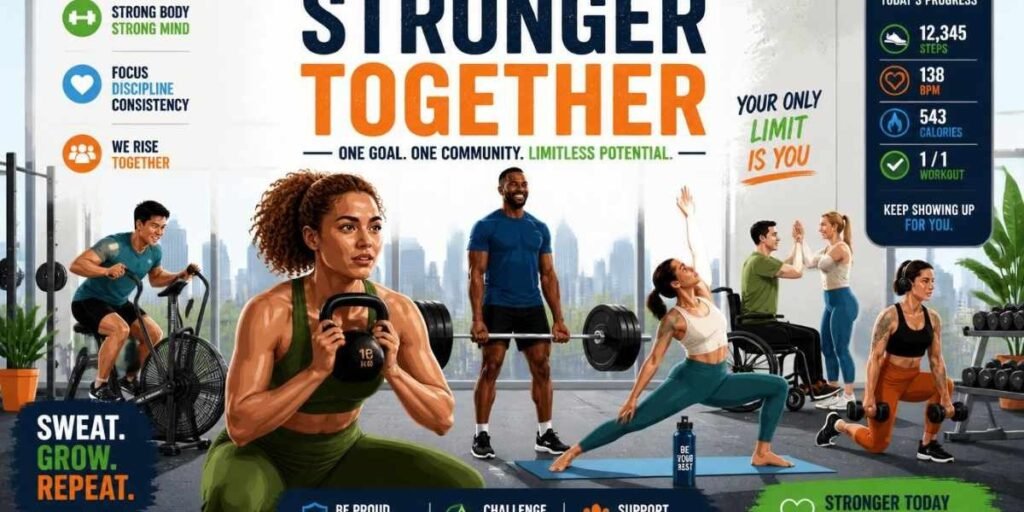
Walking into a gym for the first time can feel intimidating for many beginners. The best approach is focusing on your own progress instead of comparing yourself to others around you. Most people at the gym are focused on their own workouts, not judging anyone else. Confidence naturally grows once you become familiar with the environment.
Start with simple gym equipment like treadmills, dumbbells, or resistance machines. Learning a few basic exercises is better than trying every machine at once. Watching tutorials or asking trainers for guidance can also help improve workout form and safety. Comfort and consistency matter more than looking advanced.
Home Workout Ideas for Beginners: A Guide to Working
Beginner’s guide to working out at home. Workouts are perfect for beginners who want a comfortable and affordable way to start exercising. You can build strength, improve flexibility, and burn calories using only bodyweight exercises. Push-ups, squats, jumping jacks, mountain climbers, and planks are excellent beginner-friendly exercises that require little space. Home workouts also save travel time and gym costs.
Beginner’s guide to working. Creating a small workout space at home can improve motivation significantly. Keeping resistance bands, yoga mats, or light dumbbells nearby makes exercise more convenient. Short 20 to 30-minute workouts are enough to build consistency at the beginning. Simple routines done regularly create better results than extreme workouts done occasionally.
How Nutrition Supports Beginner Fitness Goals
Exercise alone is not enough if your eating habits remain unhealthy. Proper nutrition gives your body the energy needed for workouts and supports muscle recovery afterward. Beginners should focus on balanced meals that include protein, healthy fats, vegetables, fruits, and complex carbohydrates. Eating enough water-rich foods and staying hydrated also improves workout performance.
Skipping meals or following extreme diets can reduce energy and slow progress. Small healthy changes often work better than strict eating plans that feel impossible to maintain. Simple habits like eating more protein and reducing processed foods can improve results noticeably. Fitness becomes easier when nutrition and exercise work together.
Common Workout Mistakes Beginners Should Avoid
Fitness progress takes time, and consistency is more important than perfection. Overtraining, poor form, and skipping recovery days are common mistakes that increase injury risk. Listening to your body helps prevent unnecessary setbacks.
Another mistake is copying advanced workout routines from social media. Professional athletes and influencers often train differently than beginners should. Starting with realistic exercises and manageable goals creates safer and more sustainable progress. Fitness should feel challenging but not overwhelming or painful every day.
How to Stay Motivated to Exercise Regularly
Motivation becomes easier when workouts feel enjoyable instead of stressful. Some people enjoy strength training while others prefer walking, cycling, or home workouts. Finding your personal fitness style helps build lasting habits naturally.
Tracking progress also helps maintain motivation over time. Small improvements like lifting heavier weights, walking longer distances, or feeling more energetic show that your efforts are working. Celebrating small wins keeps fitness exciting and rewarding. Progress happens gradually, so patience is extremely important.
Rest and Recovery Are Part of Fitness Success
Recovery is just as important as exercise itself because muscles need time to repair and grow stronger Overworking your body can lead to fatigue, soreness, and reduced motivation. Balanced fitness routines always include recovery time.
Getting enough sleep improves energy, focus, and workout performance significantly. Gentle stretching and mobility exercises also help reduce stiffness and improve flexibility. Taking care of your body outside the gym supports better long-term fitness results. Healthy recovery habits help prevent burnout and injuries.
Final Thoughts on Starting Your Workout Journey
Beginning a fitness journey may feel challenging at first, but small consistent steps create powerful long-term results. You do not need perfect workouts, expensive equipment, or advanced knowledge to improve your health. Building simple habits and staying patient with yourself is the real key to success.
This beginner’s guide to working out is designed to help you feel confident, motivated, and prepared to start exercising safely. Focus on consistency, proper recovery, and realistic progress instead of chasing perfection. Fitness is a lifelong journey that becomes easier once healthy routines become part of daily life.
FAQs
How should a beginner start working out?
Beginners should start with simple exercises, short workouts, and realistic goals. Full-body workouts three to four times a week are usually ideal.
What is the best workout for beginners?
Bodyweight exercises like squats, push-ups, planks, and walking are excellent beginner-friendly workouts that improve overall fitness safely.
How long should beginner workouts be?
Most beginner workouts should last between 20 and 45 minutes, depending on fitness level and workout intensity.
Is it better to work out at home or the gym?
Both options work well. Home workouts are convenient and affordable, while gyms provide more equipment and workout variety.
How long does it take to see fitness results?
Many beginners notice increased energy and strength within a few weeks, while visible physical changes often take one to three months of consistency.